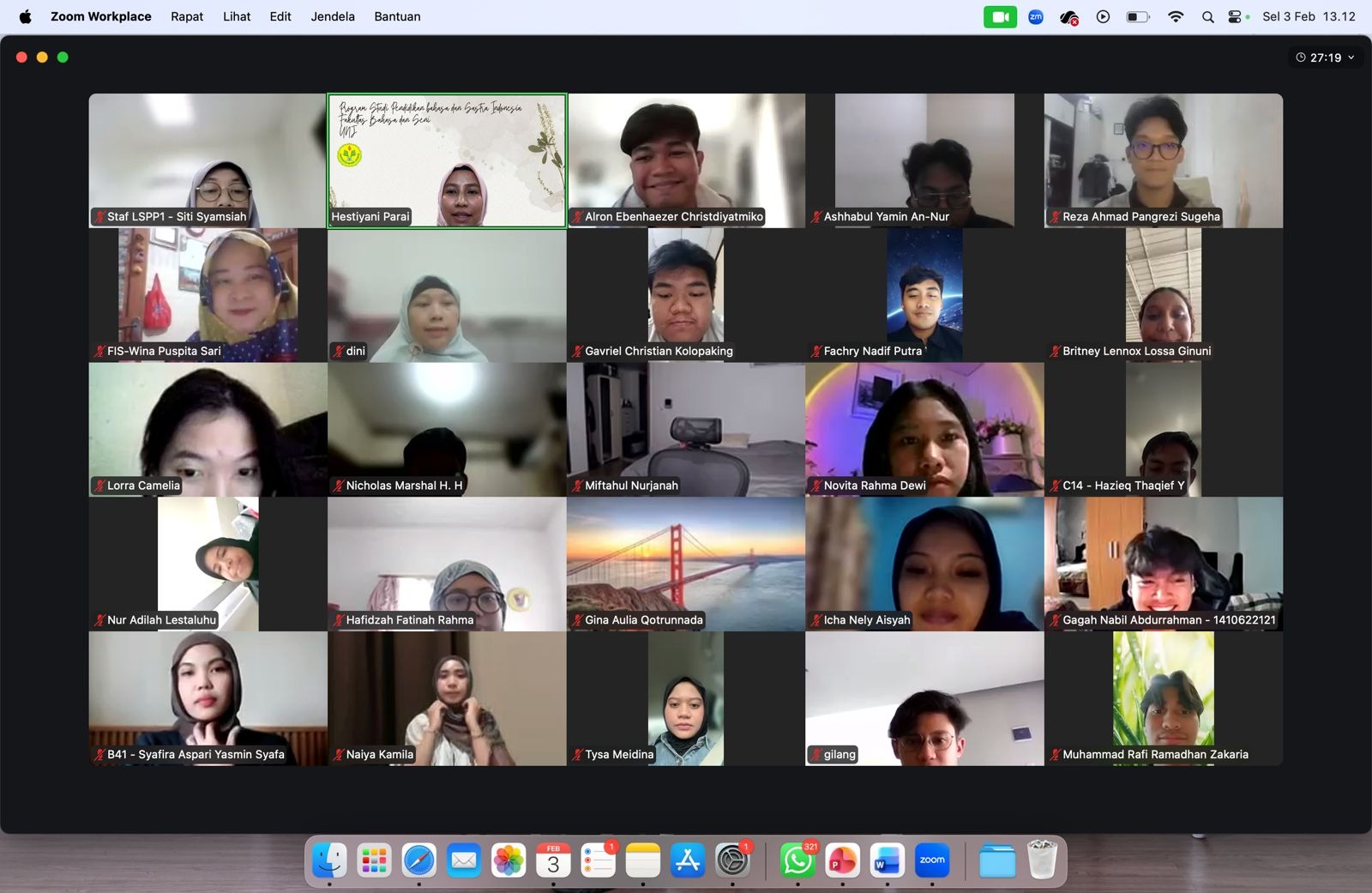
Figure 1. Online session of the Digital Public Relations Script Production Certification attended by students of the UNJ Communication Science Undergraduate Program via Zoom. (Source: Lecturer’s Documentation.)
Jakarta, February 14, 2026 – The Jakarta State University Professional Certification Institute (LSP UNJ) successfully held a series of competency certifications for the Digital Public Relations Content Production scheme. The event, which was attended by a total of 119 participants, took place at Building K, Faculty of Social and Legal Sciences (FISH), from February 4 to February 11, 2026. This initiative is a strategic step by the university to accelerate the improvement of student competitiveness amid the rapid development of the communication and digital media industry today.
The series of activities began with a comprehensive Pre-Assessment session via the Zoom application on Tuesday, February 3, 2026. This stage was specifically designed as a guidance space for assessors to ensure the accuracy of filling out the APL 01 (Competency Certification Application) and APL 02 (Self-Assessment) documents. In addition to administrative verification, this session also served as a crucial means of providing an in-depth understanding of competency standards, technical requirements, and crucial needs that must be met during the competency test.
During the Competency Test, to maintain effectiveness and a conducive testing environment, the assessors are divided into a structured schedule throughout the test period. This division allows each participant to receive optimal attention in demonstrating their abilities. This process involves a number of structured demonstration tests in which assesses must demonstrate technical agility and conceptual maturity in producing public relations content that is relevant to global market needs.
The competency test was guided by four expert assessors who acted as professional standard verifiers, namely Dr. Dini Safitri, S.Sos., M.Si, CPR, Wina Puspitasari, S.Sos., M.Si., Dr. Wiratri Anindhita., S.I.P., M.Sc., and Dr. Nada Arina Romli, M.I.Kom, CPR. The assessors are fully responsible for ensuring that all data and work evidence submitted meet the criteria of being valid, original, up-to-date, and adequate.
During the core examination process, the examinees are not only required to present their prepared portfolios, but also to complete practical work instructions directly in front of the assessors. This stage is designed to test the examinees’ agility and ability to apply theory into practice in real time. Through this assignment, assessors can validate the assessee’s technical competence in producing public relations content with consistent quality standards under direct supervision.
The competency units tested in this scheme include, among others, digital media analysis design, persuasive public relations script writing, and content production techniques for various social media platforms. In addition to production aspects, assessees are also tested on their ability to monitor digital media to evaluate the effectiveness of messages conveyed to the public.
With the BNSP competency certificate, students of the UNJ Communication Science Undergraduate Program have formal evidence that is recognized nationally and regionally in ASEAN. This is in line with the university’s efforts to meet Key Performance Indicators (IKU), particularly in terms of graduates obtaining decent jobs or continuing their studies with industry-standardized skills.
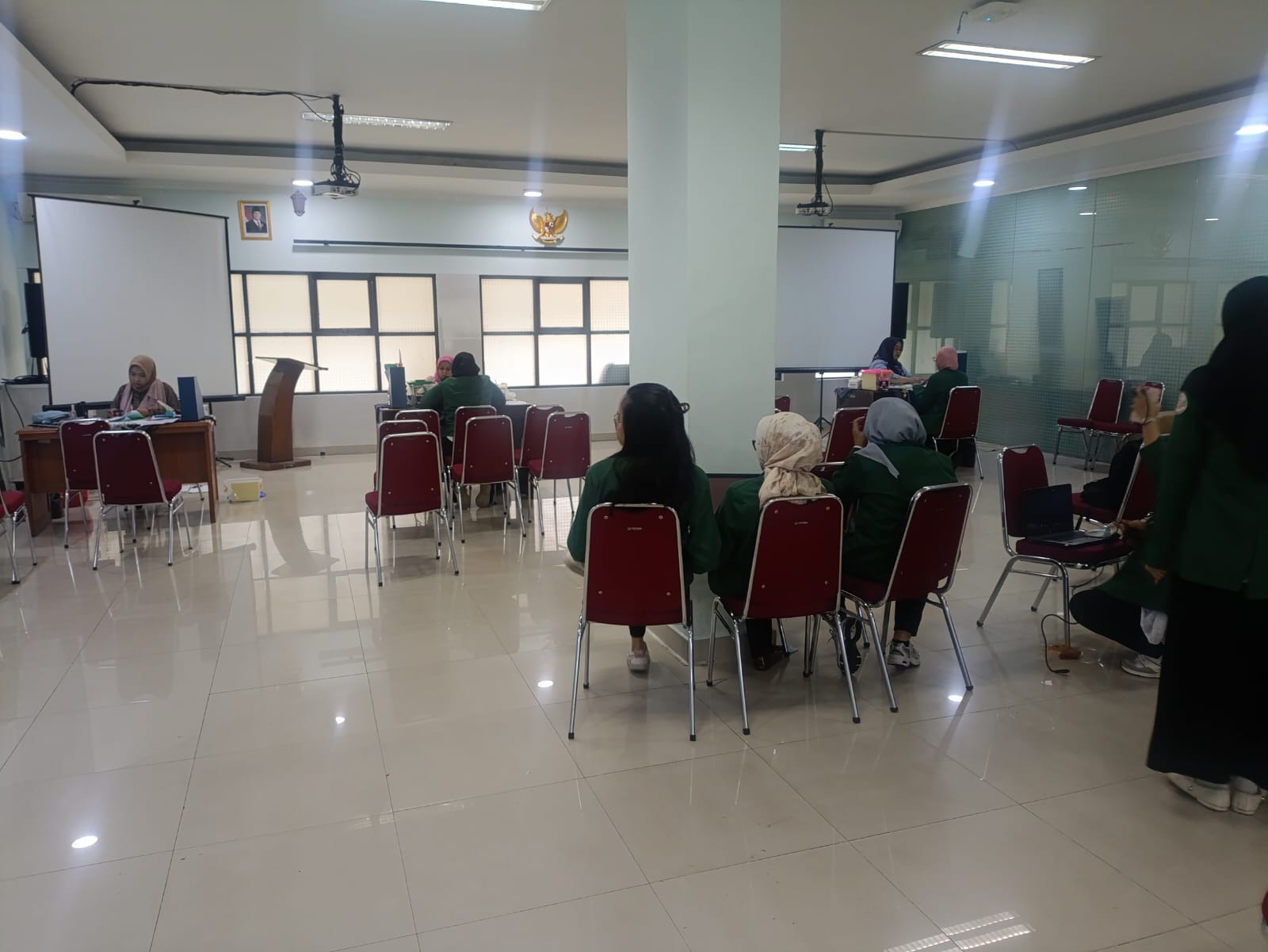
Figure 2. Students undertaking an in-person assessment session as part of the Digital Public Relations Script Production Certification. (Source: Lecturer’s Documentation.)
Through this certification, the Head of the UNJ Communication Science Undergraduate Program, Dr. Dini Safitri, hopes that graduating students will not only hold academic degrees but also have state recognition through BNSP licenses. This is expected to serve as proof that these students are capable of entering the workforce with high confidence, while also narrowing the gap between the educational curriculum and the practical needs of the communication industry.